
Sharing Earth: What the Sacred Deer of Nara Are Telling Us
A photo essay on coexistence, reciprocity, and the fragile balances that sustain shared life on Earth.
1. Opening Message
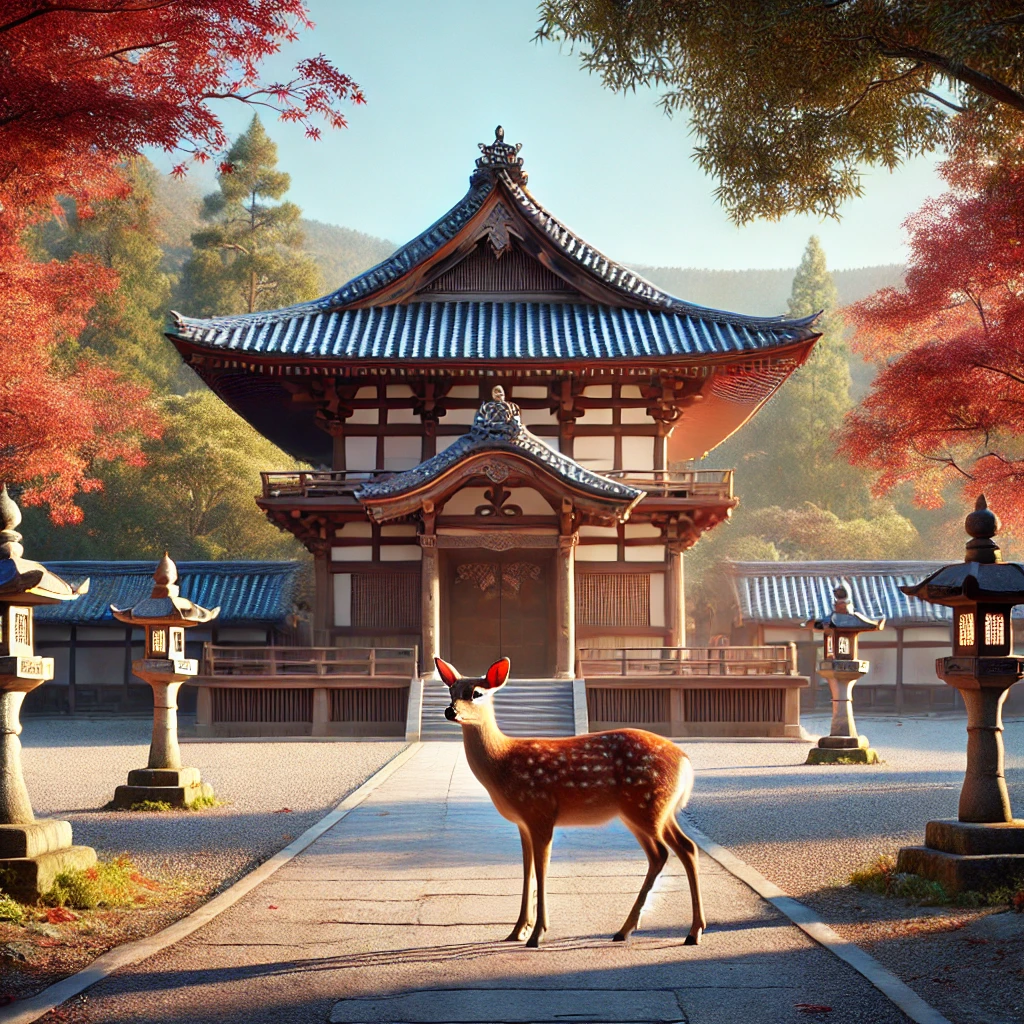
If humanity fails to cultivate practices of coexistence and reciprocity with the more-than-human world, we risk eroding the ecological foundations that sustain all life. Without a commitment to sharing the planet — not as owners, but as participants in a shared community of beings — the very conditions that make existence possible will collapse, leaving nothing left to be shared. The sight of deer moving freely among people in Nara is more than a cultural curiosity; it is a living reminder of the urgent moral and ecological imperative of Planetary Justice.
2. History & Myth
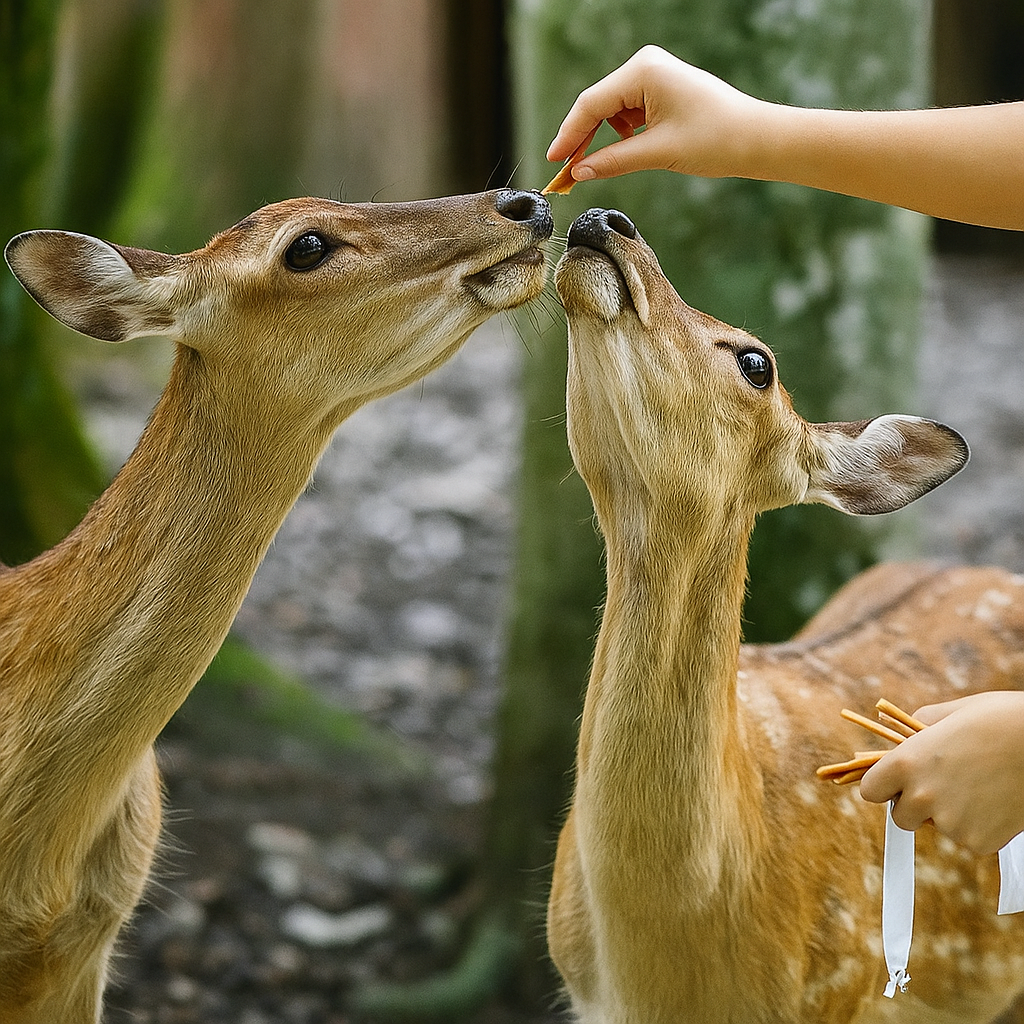
In Nara, deer have been regarded as sacred for over a millennium. According to Shinto belief, they were messengers of Takemikazuchi, a deity enshrined at Kasuga Taisha Shrine. For centuries, harming a deer was considered a capital offense — an expression of reverence that recognized the deer not merely as animals, but as participants in a sacred order. This history reveals that cultures can, and have, cultivated systems of respect and protection that allow humans and non-humans to live together in relative harmony. Planetary Justice requires retrieving and reimagining such traditions for a global context.
3. Everyday Coexistence
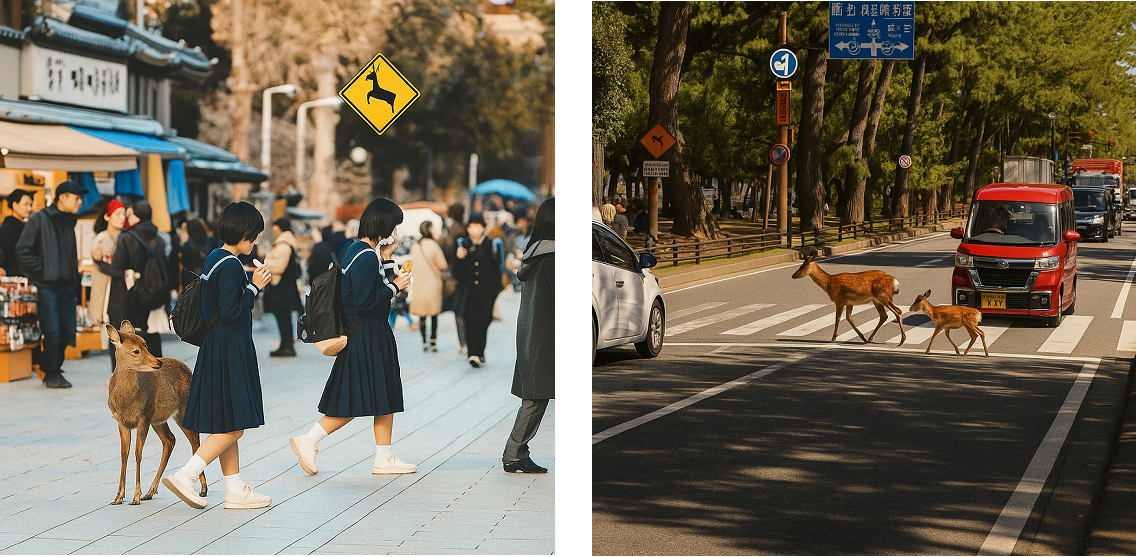
Today, the deer of Nara wander freely through parks, temples, and even city streets. They bow to visitors, having learned that this gesture will often be rewarded with food. Their presence is not contained within a zoo or a sanctuary, but embedded within the rhythms of urban life. This coexistence illustrates a crucial point: justice and survival are not abstract ideals, but lived negotiations. The deer remind us that it is possible to share daily spaces across species lines, provided there is a recognition of mutual presence and value.
4. Fragility of Balance

Yet this coexistence is fragile. Over-tourism, litter, and an overreliance on human feeding have disrupted the ecological balance, sometimes leaving the deer malnourished or dependent. What once emerged from reverence risks being reduced to spectacle. The lesson here is sobering: sharing space is not merely about proximity, but about responsibility. Planetary Justice requires not only allowing non-human life to exist alongside us, but actively restraining human excess and cultivating practices that sustain balance.
5. Planetary Lesson
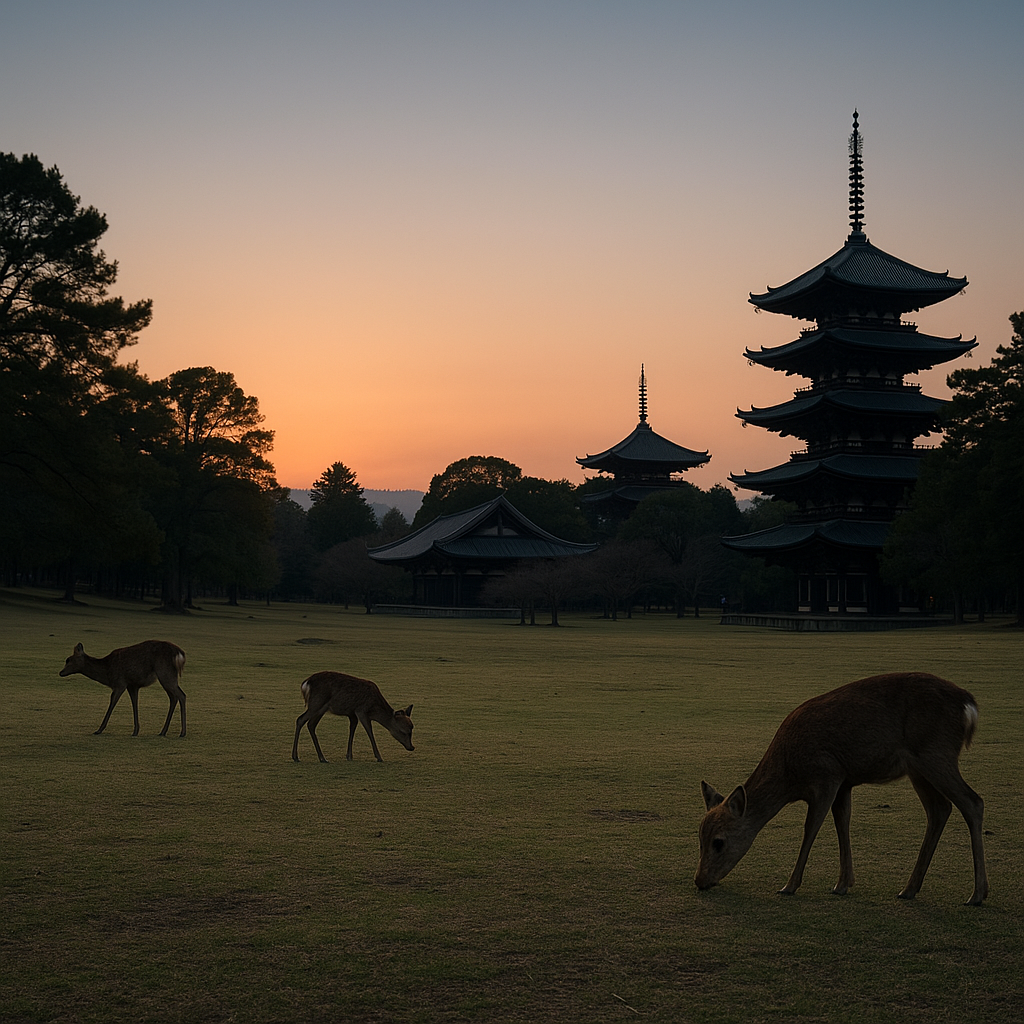
The deer of Nara offer more than cultural symbolism; they are a planetary lesson embodied. When humans and non-humans inhabit shared spaces with respect, life flourishes. When humans dominate and disregard, collapse follows. Planetary Justice thus insists upon a radical reorientation: to see ourselves not as stewards with unilateral control, but as participants in an interdependent web of life. In this light, the deer are not quaint relics of tradition, but heralds of a possible future in which survival depends upon humility, reciprocity, and shared belonging.
6. Closing Call

The deer look back at us, as if to ask: What kind of world will you choose? Their question is the same one facing humanity in the planetary crisis. To answer it requires justice that extends beyond human society — justice that affirms the rights of all beings to inhabit and flourish on this Earth. Planetary Justice begins here: with the recognition that Earth is not ours alone. We must learn to share, or soon, there will be nothing left to share.