
Radiating Injustice: Tracing the Human Cost of Nuclear Testing
The Nuclear Legacy of the Marshall Islands
A visual narrative of displacement, contamination, and resilience in Bikini and Enewetak Atolls and beyond.
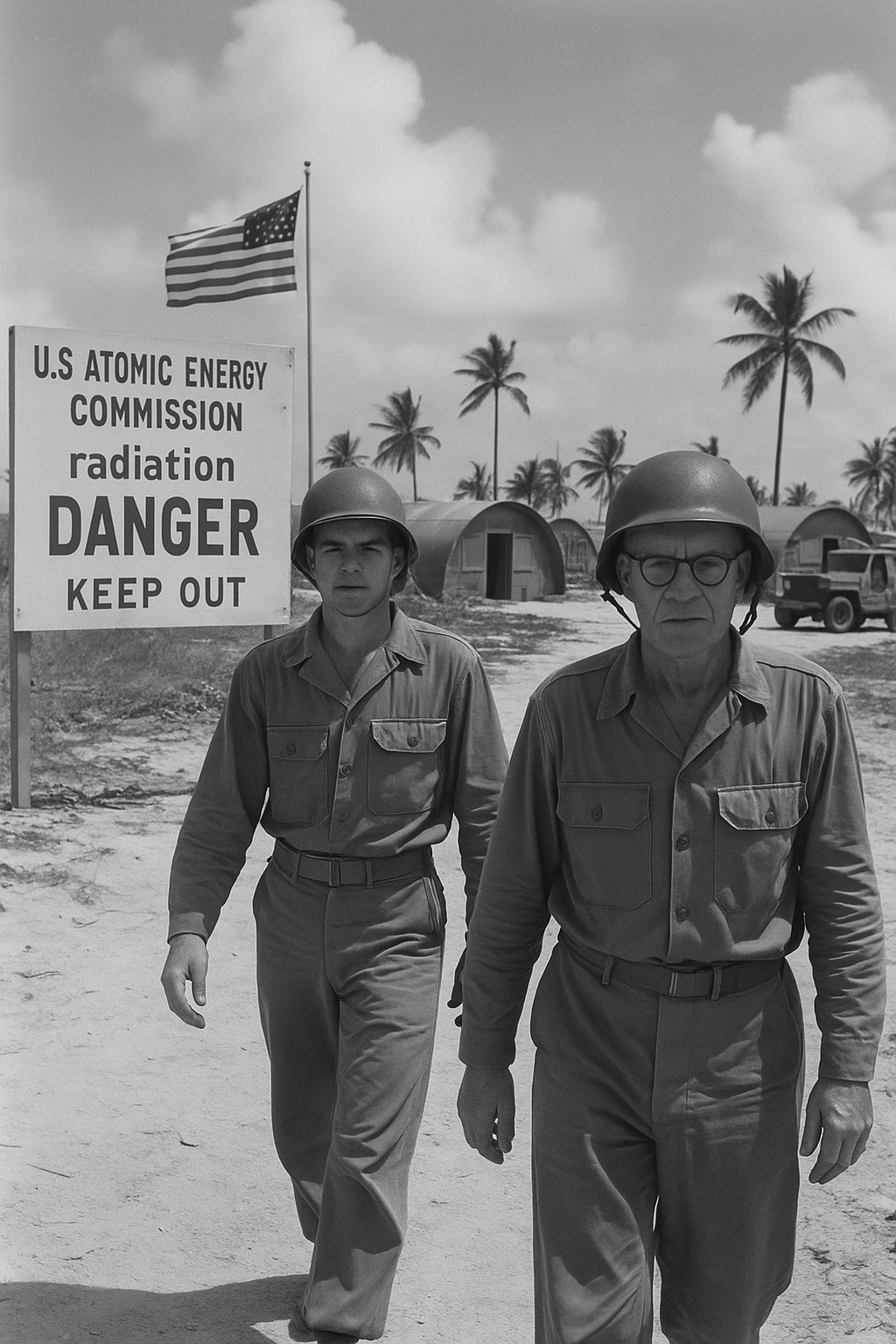
The islands of the Rālik and Ratak chains were pulled into the Cold War’s race for supremacy. Under the U.S. Atomic Energy Commission, atolls were cleared, bases were built, and warnings replaced welcome signs. For Marshallese families, the horizon of the lagoon now held uncertainty.
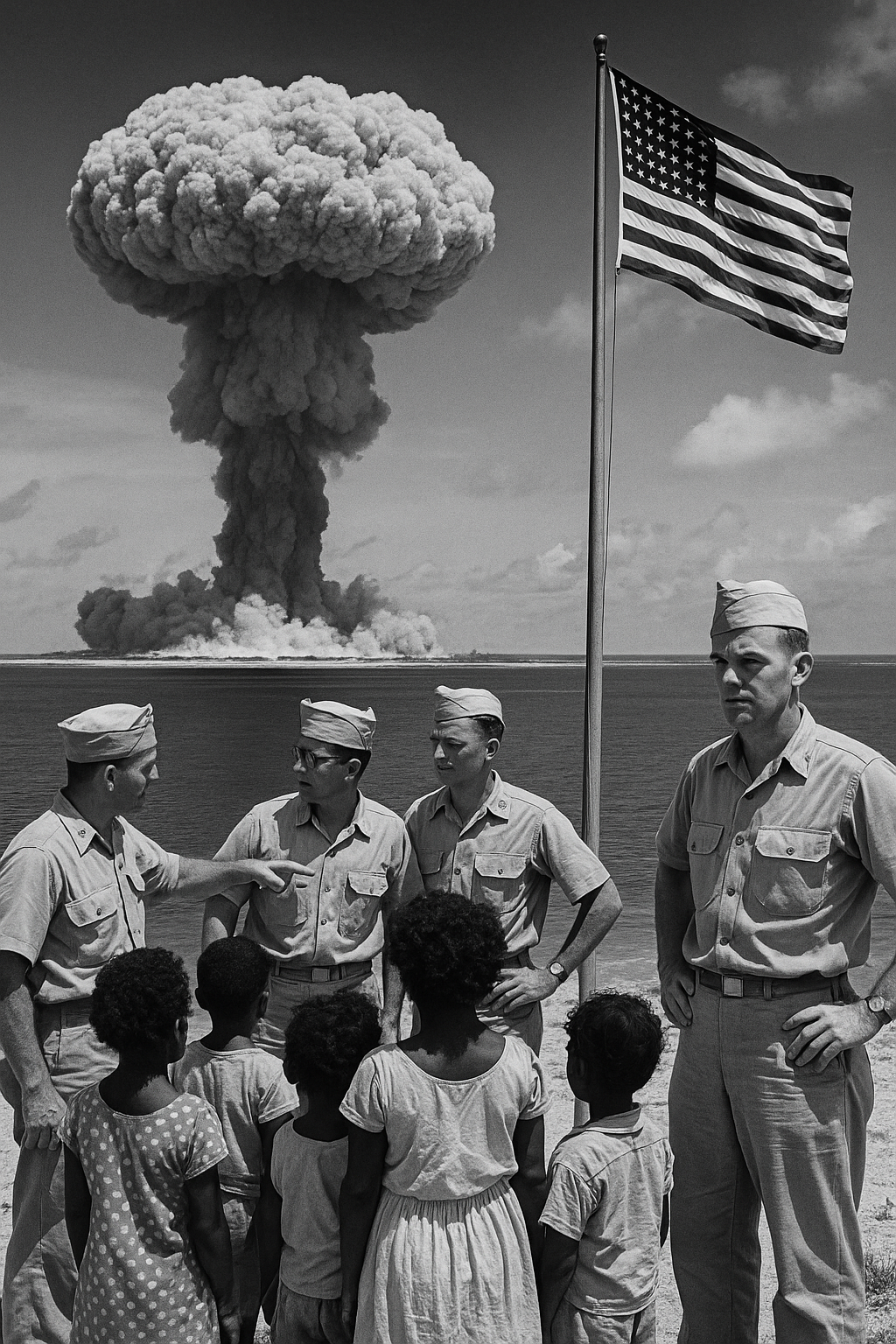
Weapons of unprecedented yield turned lagoons into blast chambers. Islanders living downwind were exposed to fallout, often without informed consent. What officials called tests became generational trials.
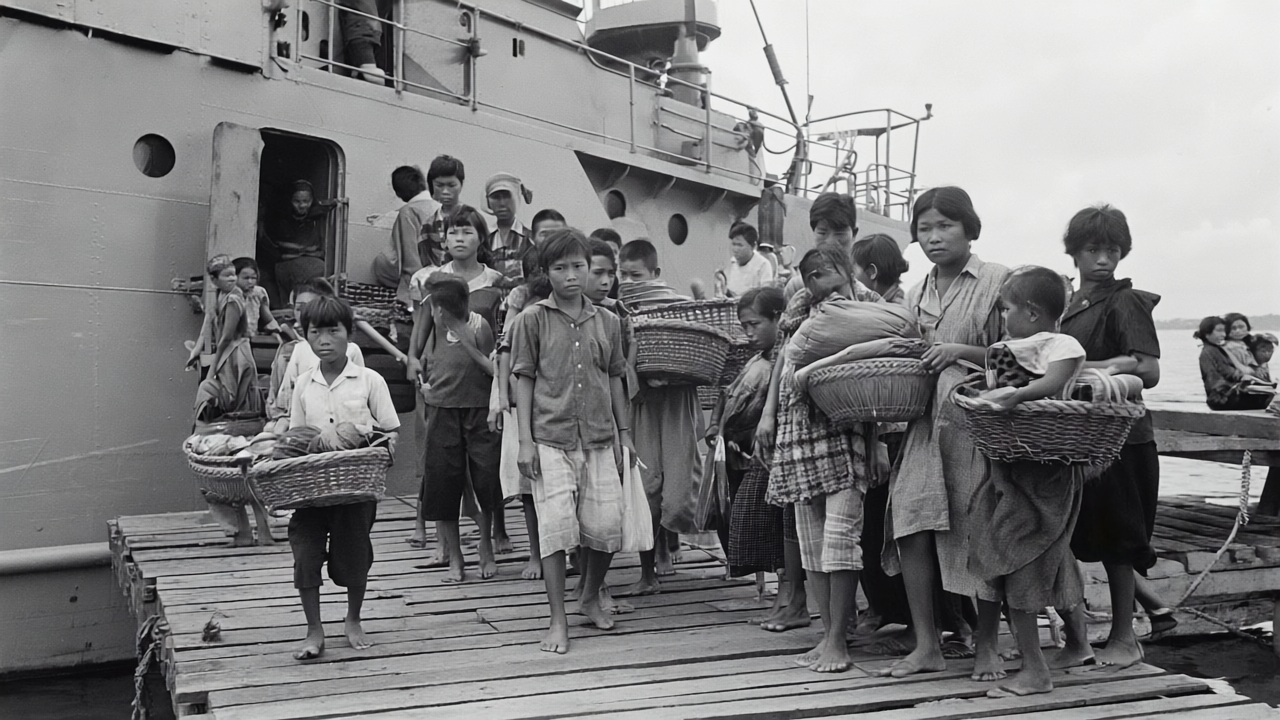
Communities were separated from ancestral lands, cemeteries, and food sources. Promises to return “soon” faded as radiation lingered. The cost was cultural as well as physical.
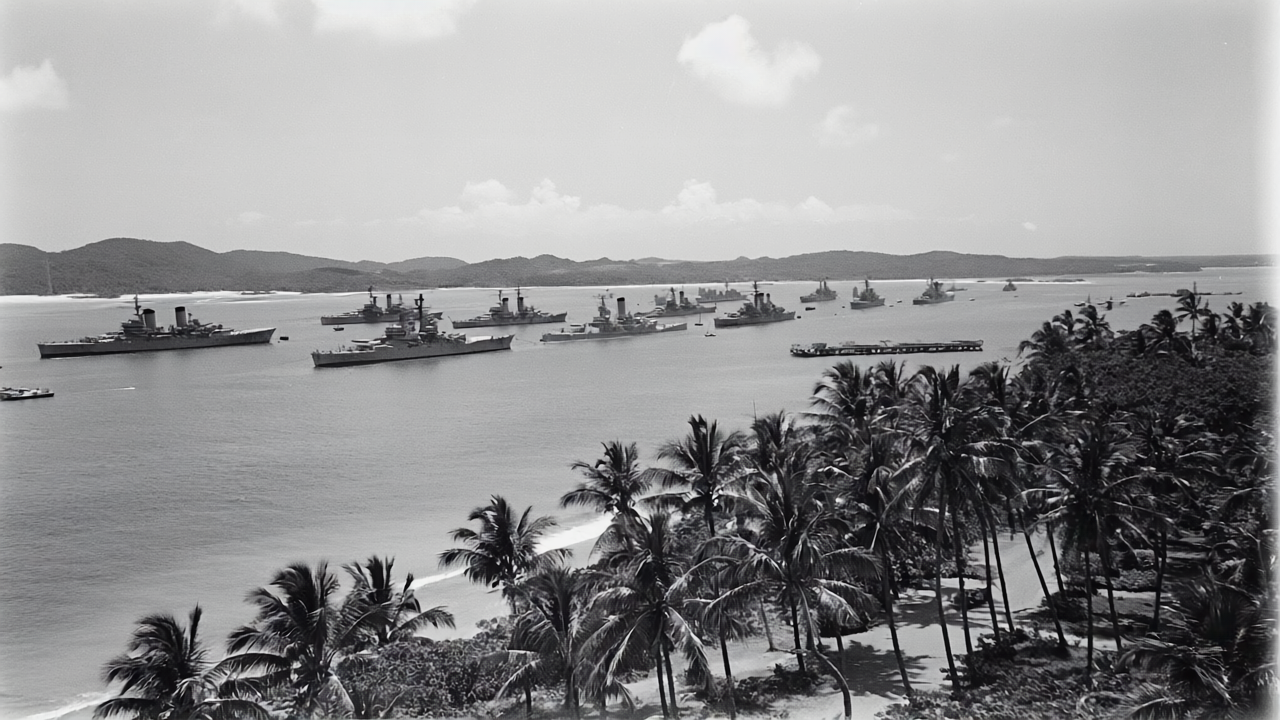
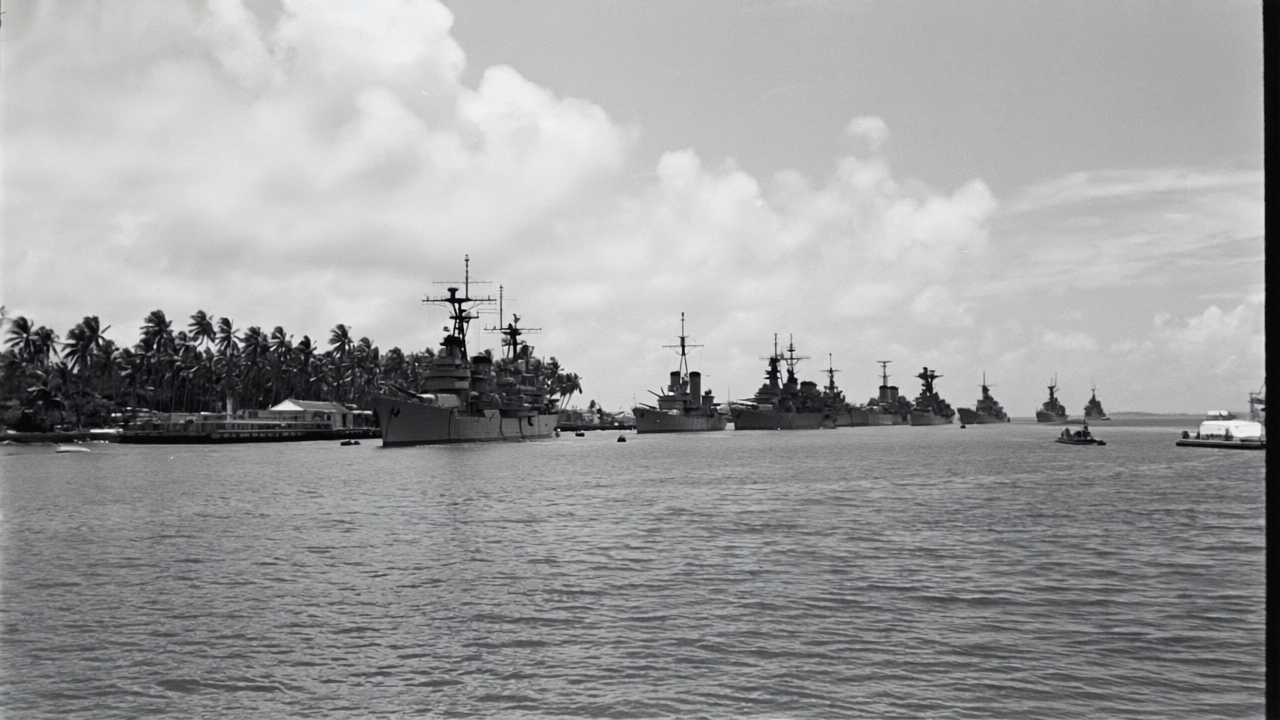
Ships were positioned to measure shockwaves and radiation. The surrounding communities, too, became unwitting gauges of nuclear impact.
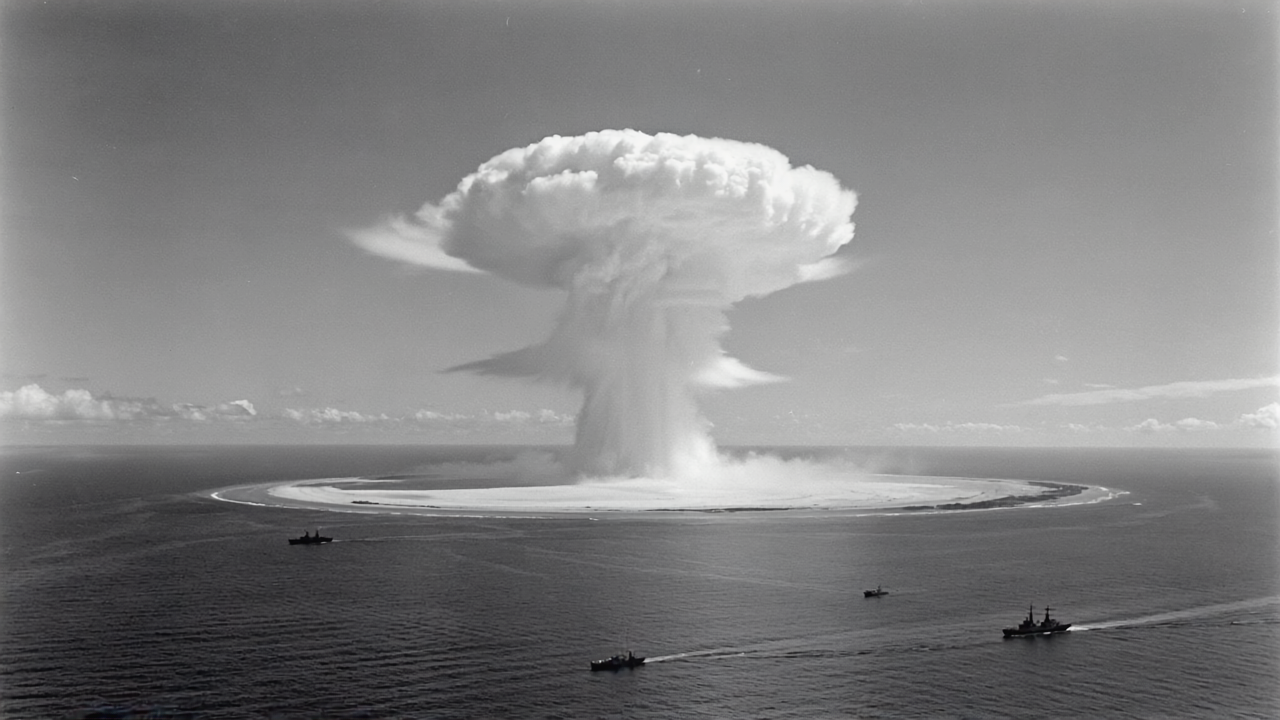
Entire islands were vaporized. Radioactive ash—described by children as “snow”—settled on skin and drinking water. Some homelands remain uninhabitable today.
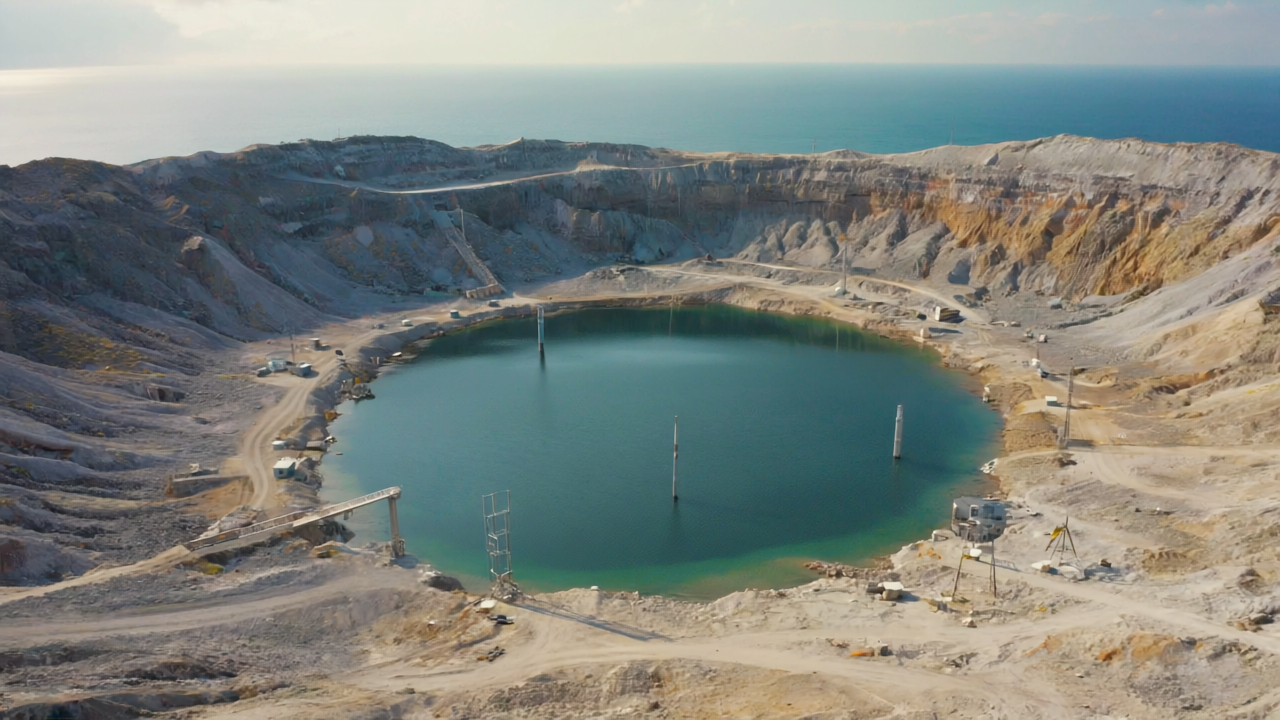
Radiation continues to shape daily choices—what to fish, where to plant, whether to return. Cleanup and compensation efforts have not erased the damage or the memory.
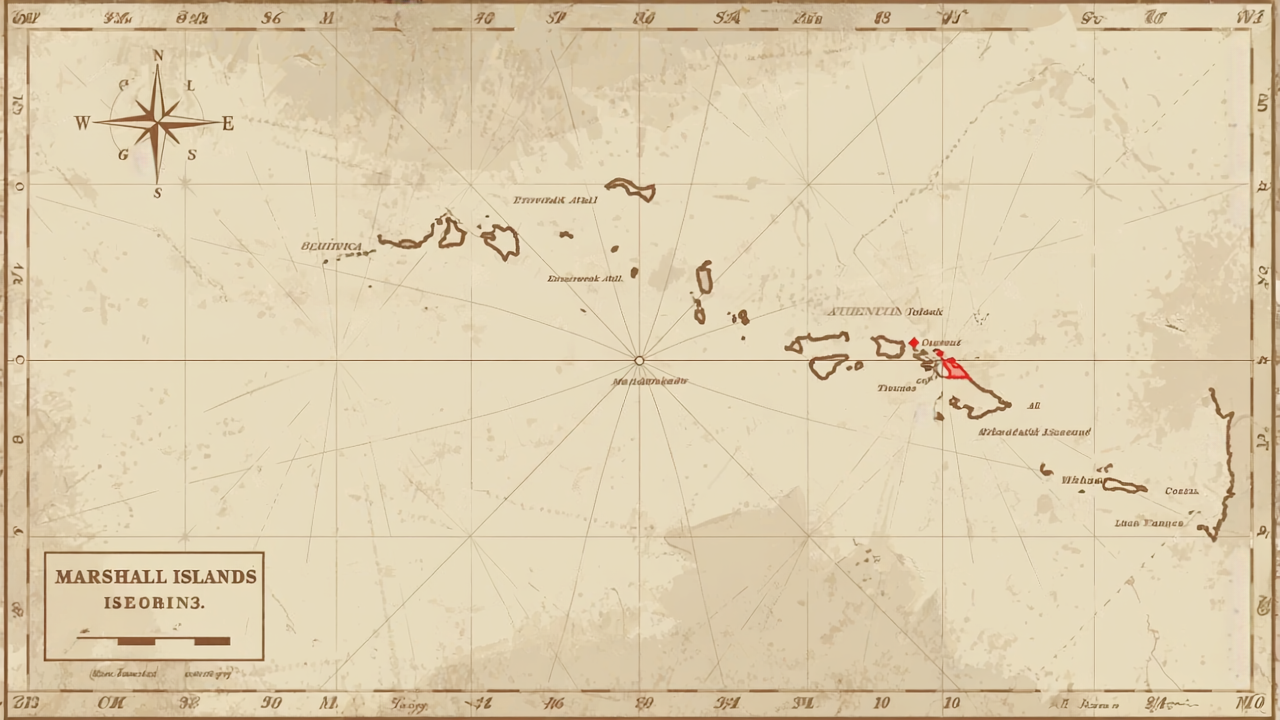
Names like Bikini and Enewetak entered the global lexicon through nuclear testing. For islanders, they remain home—whether accessible or not.
The nuclear legacy is a present reality: intergenerational health impacts, forced migration, and continued advocacy for justice and remediation. The world remembers the images of mushroom clouds; it must also remember those who still live with their shadows.