
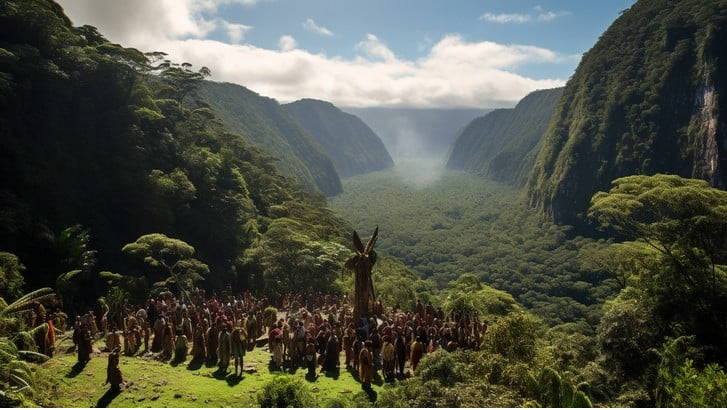
I Am Because We Heal: Ancestral Knowledge as a Compass for Peace
“Ubuntu ungamntu ngabanye abantu — I am because we are.”
This photo essay explores how intergenerational wisdom, cultural memory, and collective healing practices offer pathways toward peace and justice, guided by the philosophy of Ubuntu.
Ubuntu teaches that none of us exists in isolation: our dignity, our healing, and our futures are bound together. Through ancestral practices, communities affirm that peace is not a static condition but a living process of remembrance, renewal, and balance.
The Circle Remembers
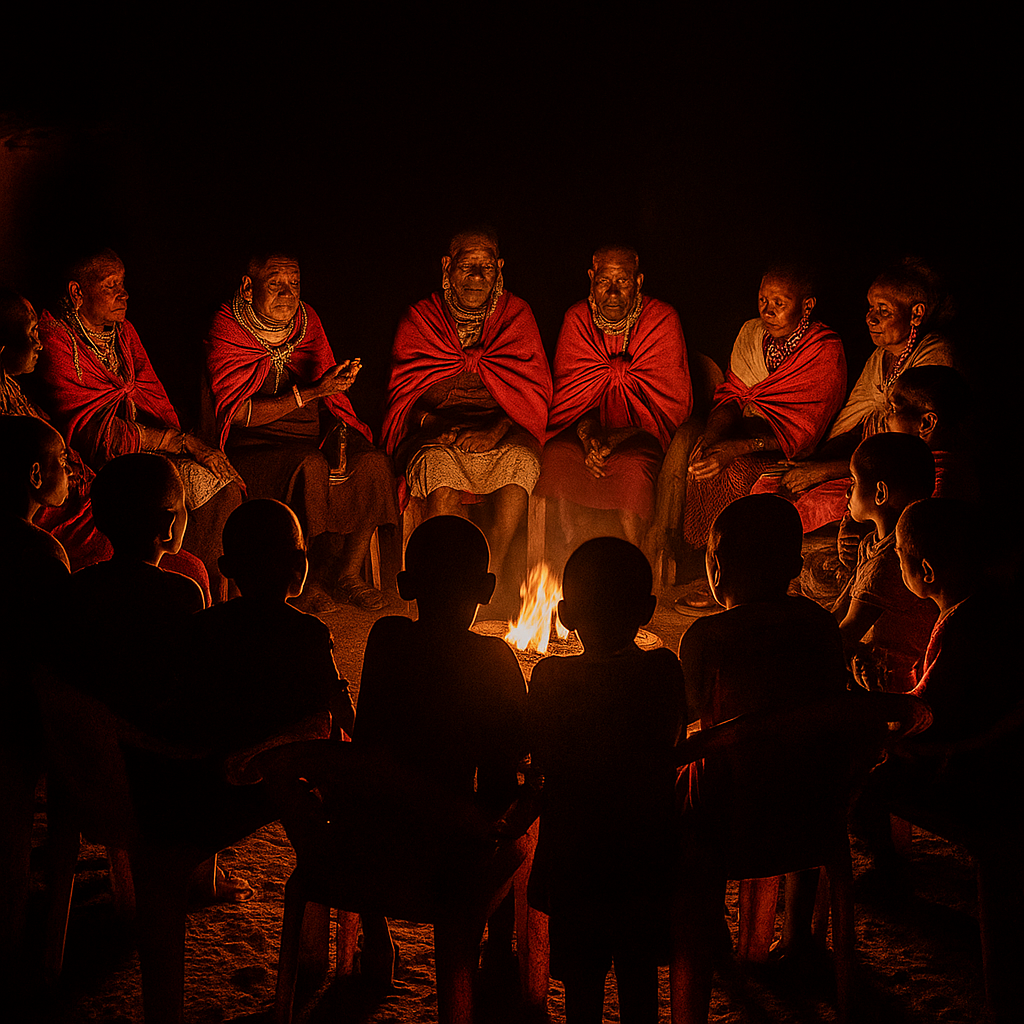
Ancestral knowledge is not archived in books alone — it lives in circles of dialogue, song, and ritual. Elders sit with youth, telling stories that carry both memory and instruction. These gatherings are not only about the past but about orienting the community toward what must endure. In Ubuntu, wisdom is never hoarded. It circulates, like breath, ensuring that each generation inherits both the responsibility and the strength to carry it forward. The circle remembers so that no one walks into the future alone.
Hands That Tend the Future
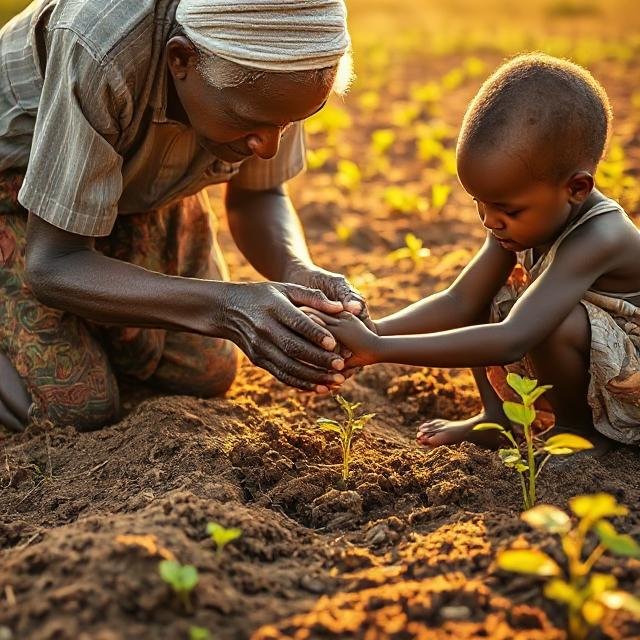
Healing begins with the soil. Elders and children plant seeds side by side, their hands meeting in the earth. This act is more than cultivation — it is a declaration that the future must be tended, not simply awaited. When generations co-create, they sow not just food, but continuity. Each seed represents resilience, a promise that life will return, and a quiet insistence that peace is built in the small, daily acts of care.
Ritual as Resistance
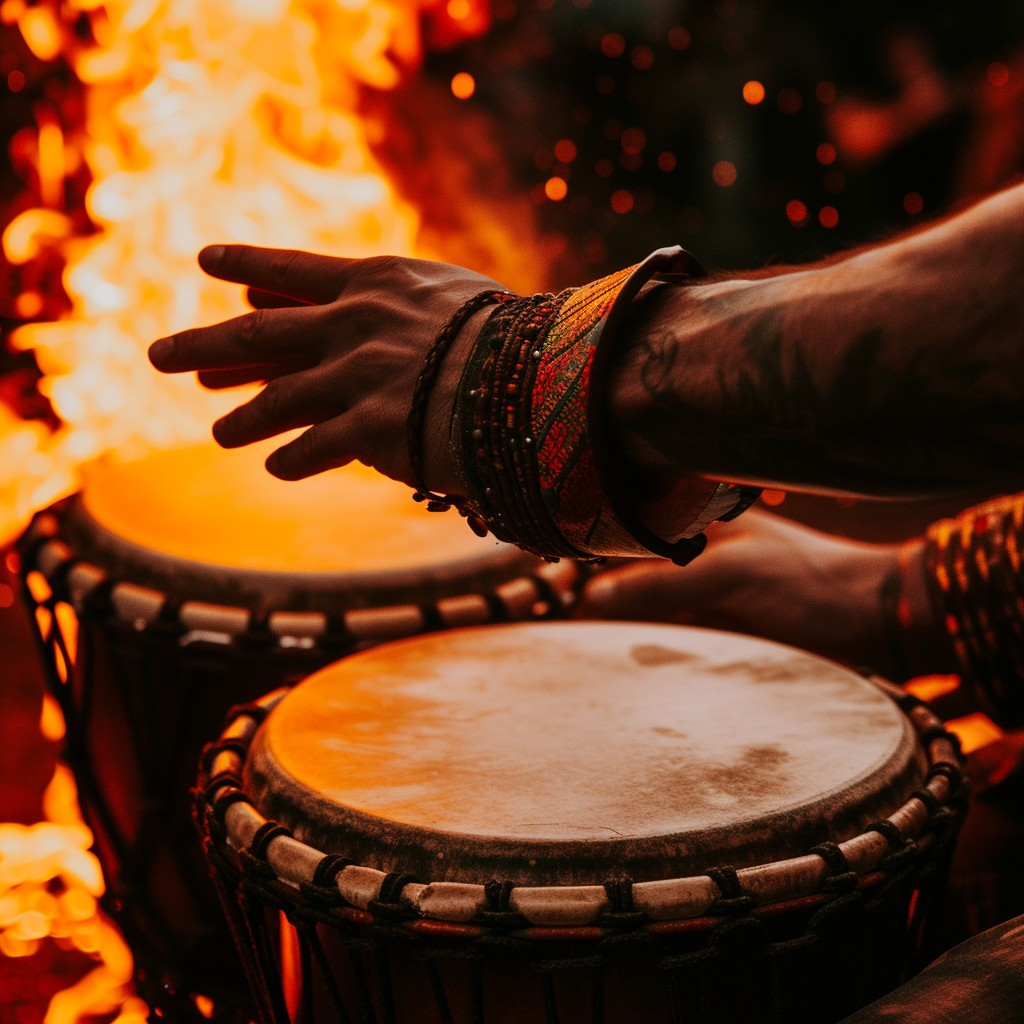
To remember is to resist. Rituals — often dismissed as relics of the past — are in fact living practices of survival. Through song, dance, and offering, communities keep themselves tethered to what cannot be erased. Ritual is more than ceremony; it is resistance against forgetting, against silence, against the violence of disconnection. It centers the community in its dignity, reminding each person that they belong to something larger than fear or conflict.
The Language of Healing
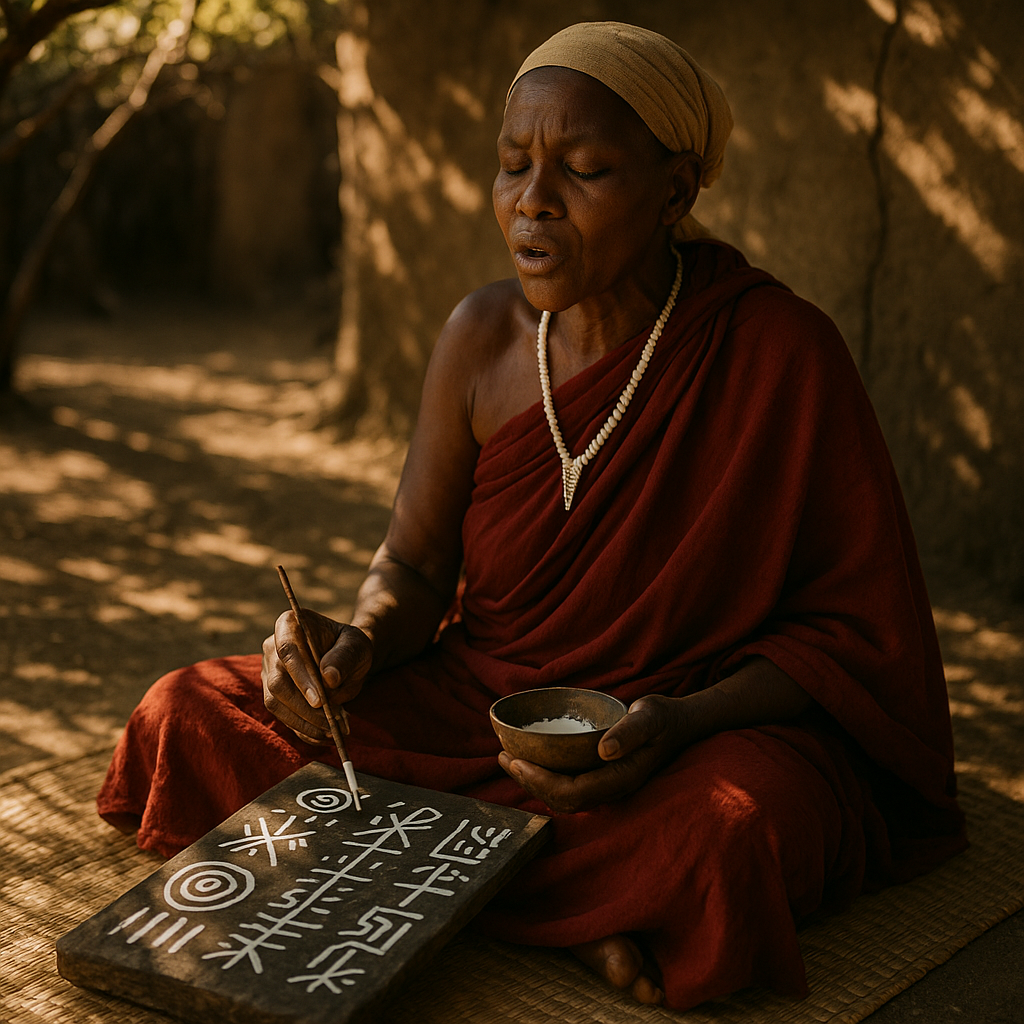
Words heal. Names restore. Stories reclaim. Language carries not only communication but memory — a living archive of identity, culture, and belonging. When languages are suppressed or erased, communities lose more than words; they lose bridges to their ancestors. Reviving language is itself an act of reconciliation. It allows stories to return to their rightful place, enabling healing through recognition. In Ubuntu, language is not simply spoken — it is woven into the fabric of peace, carrying dignity from one generation to the next.
Restoring Balance
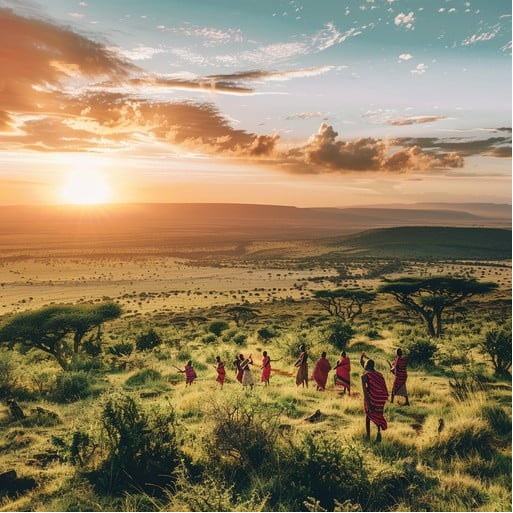
Ubuntu reminds us that justice is not only retribution, but balance. Justice is the patient, sacred work of restoring what was fractured — in relationships, in ecosystems, in the human spirit. True peace cannot emerge where imbalance persists. To restore balance means to acknowledge harm, to repair what can be repaired, and to live with humility toward the land and each other. Balance is not achieved once, but tended continually, like fire kept alive by many hands.
We Heal Together
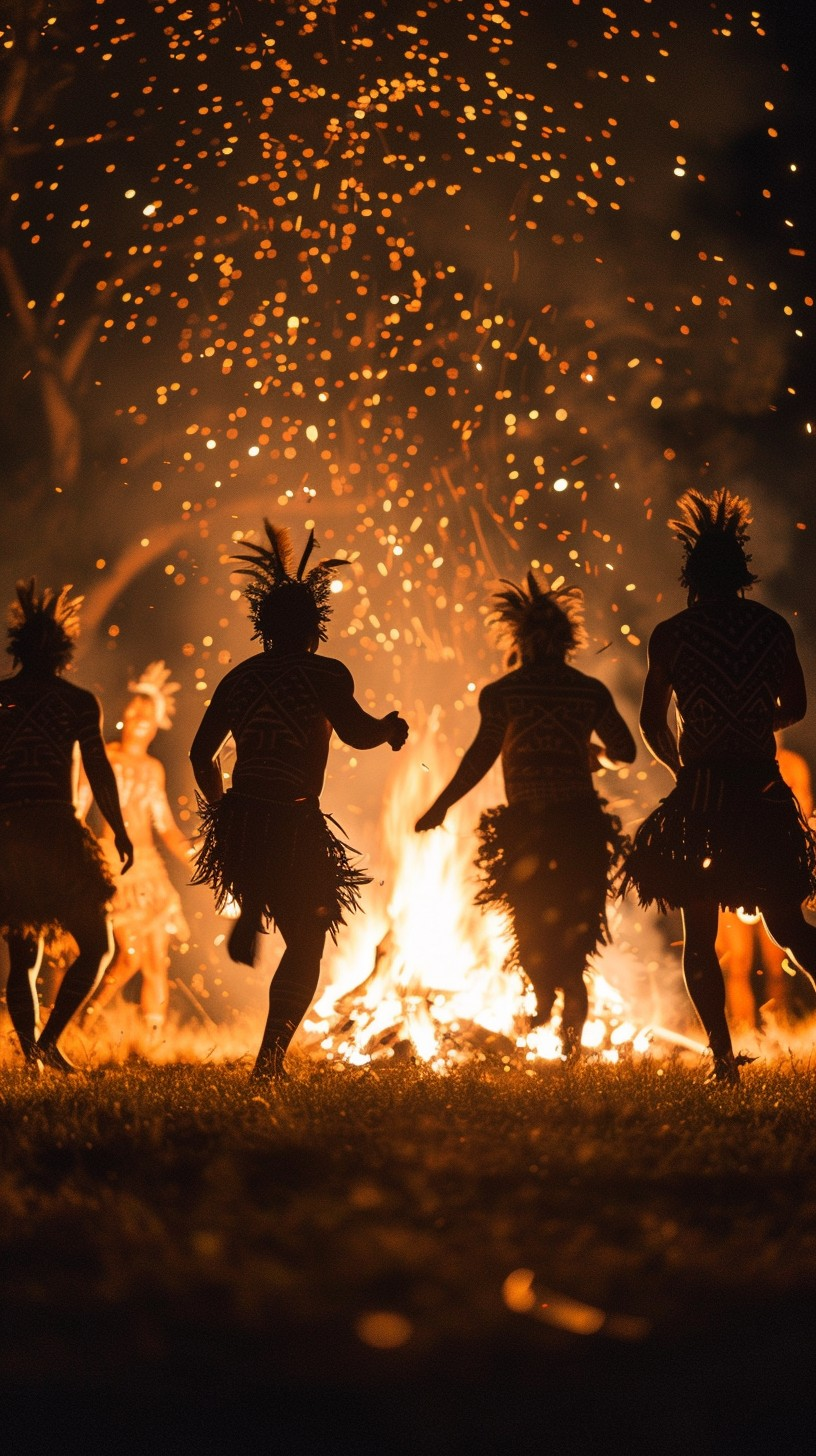
“I am because we heal.” In Ubuntu, wellness is never solitary. Healing is communal, woven through accountability, recognition, and care. No person is healed if their neighbor suffers. No peace is sustainable if others remain in pain. Healing together means that peace is not imposed from outside but grown from within — nurtured through solidarity, truth-telling, and shared responsibility.
A Compass for Peace
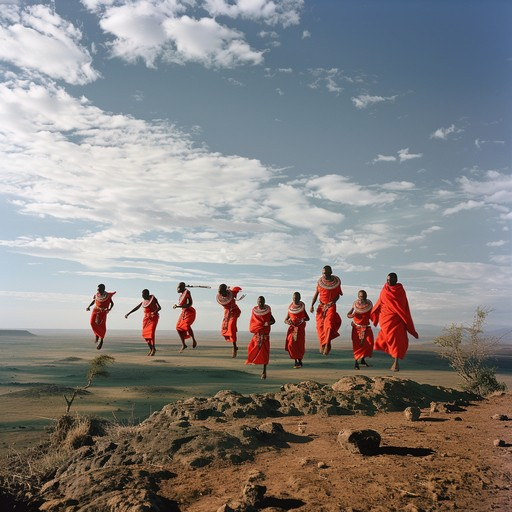
Ancestral knowledge is not nostalgia. It is a compass — pointing us toward future peace, rooted in memory, mutuality, and the enduring truth that none of us heals alone. Ubuntu teaches that peace is not an endpoint, but a way of walking together. Guided by the compass of ancestral knowledge, communities learn to navigate hardship, renew dignity, and carry forward the wisdom that survival has always depended on: *I am because we are.*
© 2025 IustitiaLab — All rights reserved