
The Personal as Political: Nawal El Saadawi’s Autobiography as Feminist Revolt
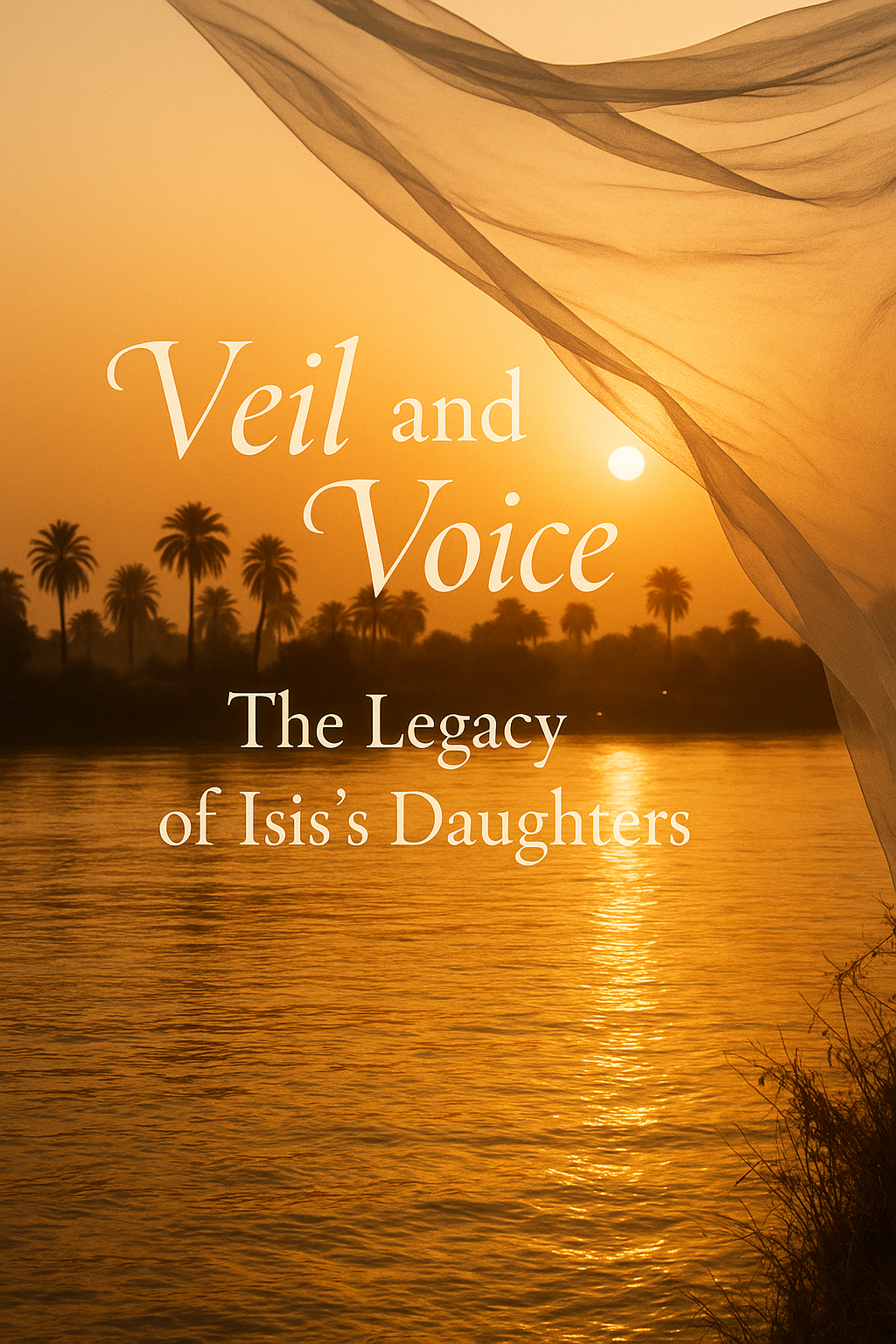
Nawal El Saadawi’s autobiography Daughter of Isis (1999) is not simply a recollection of childhood memories; it is a profound act of resistance. By narrating her life in a small Egyptian village, Saadawi demonstrates how patriarchy shapes the most intimate aspects of existence—from names and traditions to bodies and futures—and how the struggle to dismantle it becomes both a personal and political mission.
Her story illustrates the possibility of gender advancement not as a gift bestowed from above but as a hard-fought reclamation of voice, body, and identity.
Childhood and the Seeds of Rebellion
“From the earliest days, I knew my brother’s laughter carried freedoms denied to me.” (Saadawi, 1999, paraphrased)
Growing up, Saadawi witnessed the unequal treatment of boys and girls in her family and community. She recalls the freedom afforded to her brothers—freedom to run, play, explore, and learn—while she was expected to remain quiet, modest, and obedient.
This inequality was not presented as injustice but as natural order. Yet, even as a child, she felt the sting of difference and began to question why her laughter, her body, and her desires were curtailed while her brother’s were celebrated. Her early sense of rebellion was nurtured in silence, but it laid the foundation for her lifelong defiance of imposed gender roles.
The Wound of Tradition

“They said it was for purity, but I knew it was for silence.” (Saadawi, 1999, paraphrased)
Among the most searing episodes Saadawi recounts is the experience of female genital mutilation, a ritual justified as tradition but revealed as violence. For her, this was more than a physical wound—it was a symbolic enactment of patriarchal control over women’s bodies and sexuality.
She portrays the act not as an isolated custom but as part of a broader system that silences women, binds them to obedience, and denies them autonomy. By writing about this openly, Saadawi broke a silence that many in her society considered untouchable, transforming private pain into political critique.
Education and the Power of Words
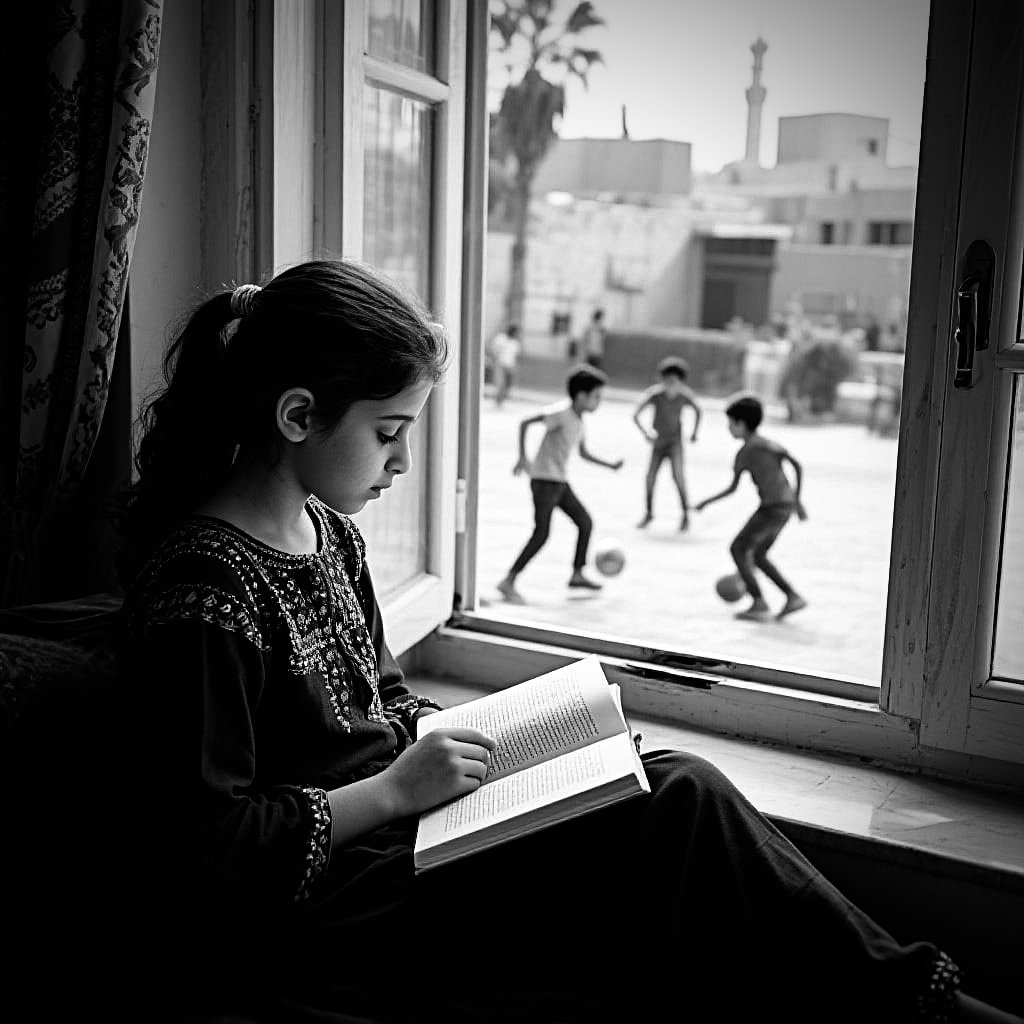
“Words became my shield and my weapon, the place where I could live freely.” (Saadawi, 1999, paraphrased)
While patriarchal norms sought to confine her, education provided Saadawi with a path toward liberation. School introduced her to knowledge that stretched beyond the village, and writing offered her a sanctuary where she could think, imagine, and resist.
She came to view words as both shield and weapon: a means to defend herself against the violence of silence and a tool to articulate visions of equality. Her intellectual independence became a form of rebellion against the structures that sought to contain her.
From Personal Experience to Collective Struggle
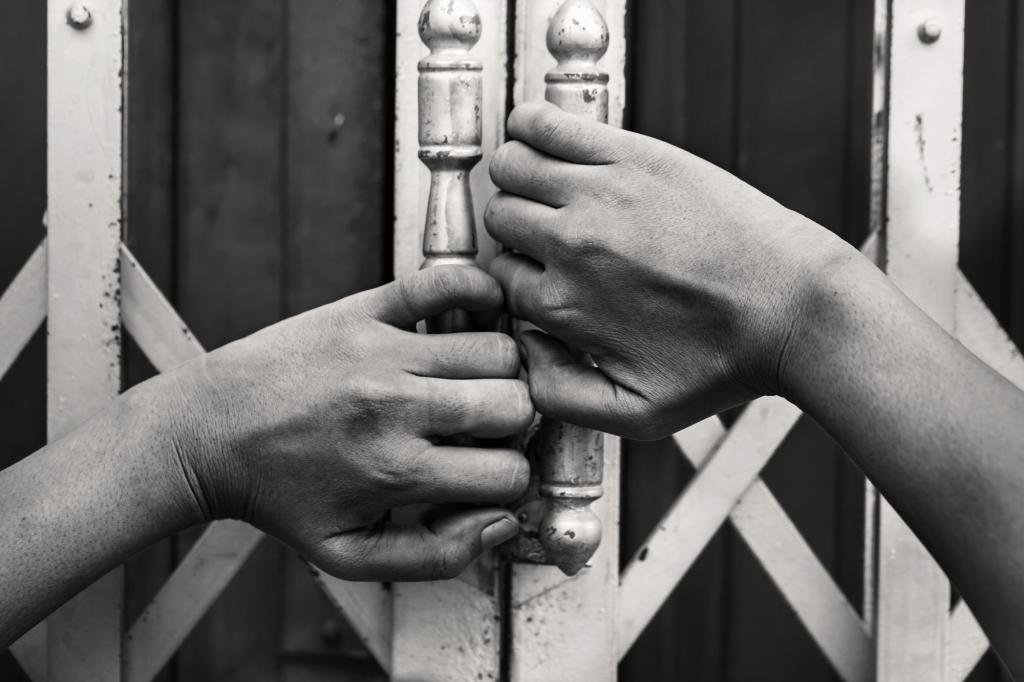
“What they did to me was not only mine. It belonged to every girl whose body bore the mark of power.” (Saadawi, 1999, paraphrased)
What makes Daughter of Isis remarkable is its ability to connect the personal with the political. Saadawi does not present her suffering as exceptional but as symptomatic of wider systems of control.
She transforms her autobiography into testimony, showing that dismantling patriarchy is not simply about individual freedom but about collective emancipation. Each act of reclaiming her body, her voice, and her story becomes part of a broader struggle for justice that links women’s advancement to societal transformation.
A Manifesto for Gender Advancement
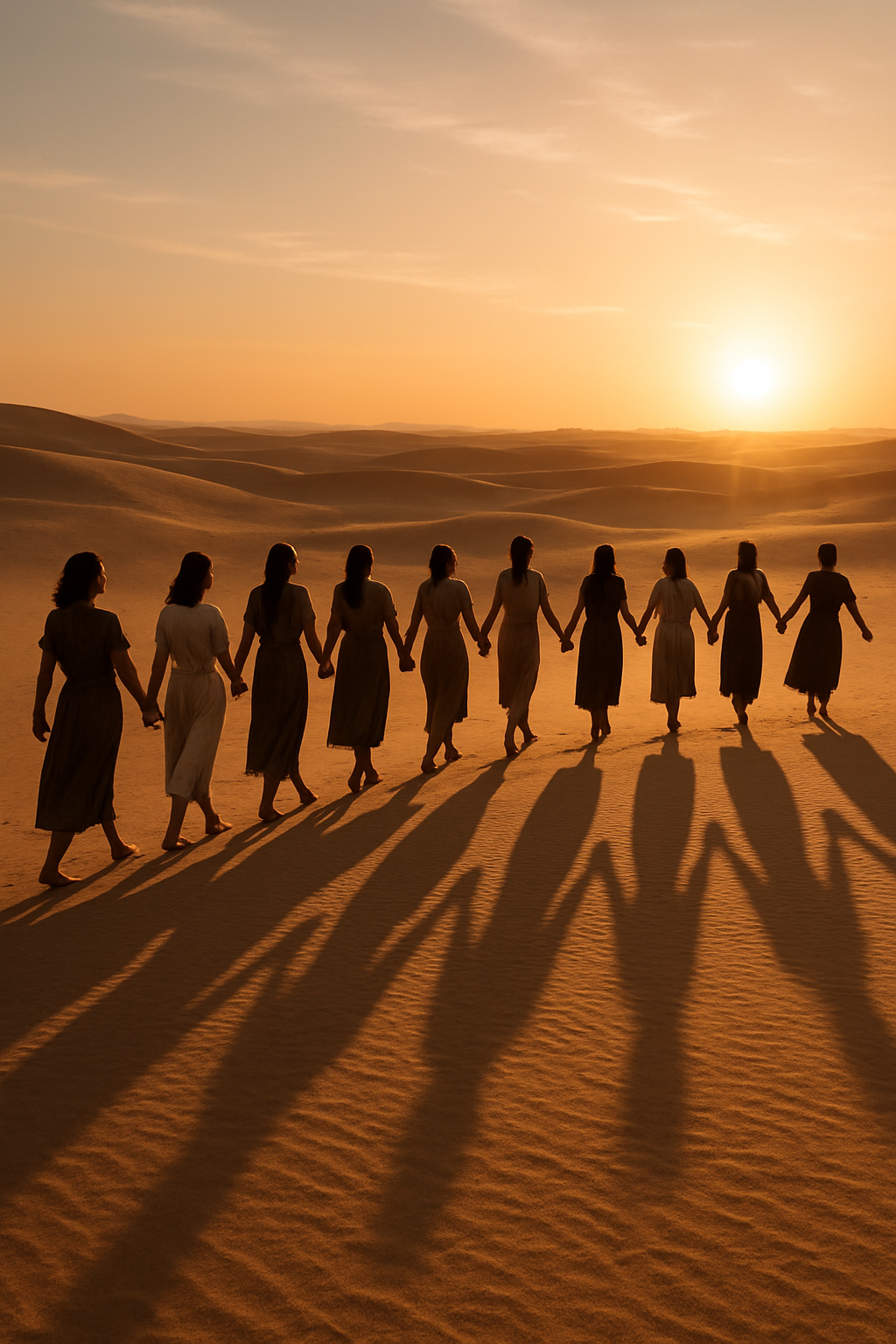
“To speak of myself is to speak of my people. To reclaim my story is to reclaim our future.” (Saadawi, 1999, paraphrased)
Ultimately, Saadawi’s Daughter of Isis is both memoir and manifesto. It testifies to the costs of patriarchy while offering a vision of resistance rooted in education, creativity, and solidarity.
The book insists that gender advancement cannot be postponed until after other struggles are resolved—it is itself central to the pursuit of justice. For Saadawi, dismantling patriarchy is not only about rejecting oppression but about creating conditions for dignity, diversity, and equality to flourish.
Her life story demonstrates that personal resistance, when voiced publicly, becomes a political act. By sharing her journey, she offers readers not only a window into her own life but also a framework for understanding how deeply patriarchy is embedded in culture and how urgently it must be dismantled. In this sense, Daughter of Isis is not just an autobiography—it is a call to action.